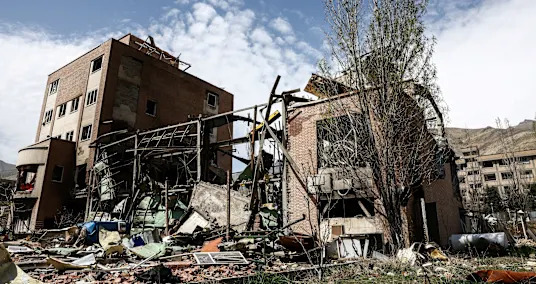
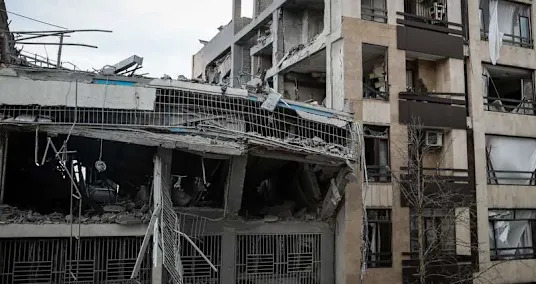
In Tehran, a city of nine million people, schools are closed, businesses are shuttered or struggling, and locals are living without a functioning air-raid warning system or public shelters. In many areas, the first sign of an incoming strike is the explosion itself.
There have been twice as many US and Israeli attacks on Iran compared to the number of Iranian retaliatory strikes since the war began — and the numbers killed in Iran have been orders of magnitude greater than in the neighboring Gulf states. A nationwide internet blackout, now entering its second month, has left civilians unable to access information about safety, shelter, and food and has meant some are unable to work. But while millions have fled Iran’s cities, many more are staying where they are. Some residents are hoping the US and Israeli bombs will cause the regime to collapse; others are left wondering if they are at risk if their neighbors are targeted.
For the many Iranians with ties to Dubai, there are other pressures, with Iranian nationals now barred from entering or transiting through the UAE. Residency permits, even for those with long-term Golden Visas, are reportedly being revoked without notice.

LATEST POSTS
- 1
 Don't miss the waxing moon swing by the Beehive star cluster March 27
 - 2Israeli military says it hit dozens of military facilities in Tehran
- 3Toyota’s Next Big Sports Car Might Apparently Be a Turbocharged All-Paw Beast
- 4Pick Your Favored kind of sandwich
- 54 astronauts are now on their path to the moon. Here’s what happens next


- Mali and Canadian miner Barrick agree to resolve tax dispute, ending 2-year standoff
- Tesla Stock Hasn’t Looked This Cheap in a While
- Figure out How to Assess the Unwavering quality of SUVs for Seniors
- Doctors seek to understand why quitting antidepressants causes withdrawal for some
- Top 10 Arising Advances That Will Shape What's in store
- Blue Origin’s New Glenn rocket landed its booster on a barge at sea – an achievement that will broaden the commercial spaceflight market
- First part of major new German-Danish tunnel cleared for lowering
- Gaza receiving over 70,000 cubic meters of water per day, COGAT claims
- Mars spacecraft images pinpoint comet 3I/ATLAS's path with 10x higher accuracy. This could help us protect Earth someday